NICCI appraises Finance Minister on impacts of GST reviewed by India
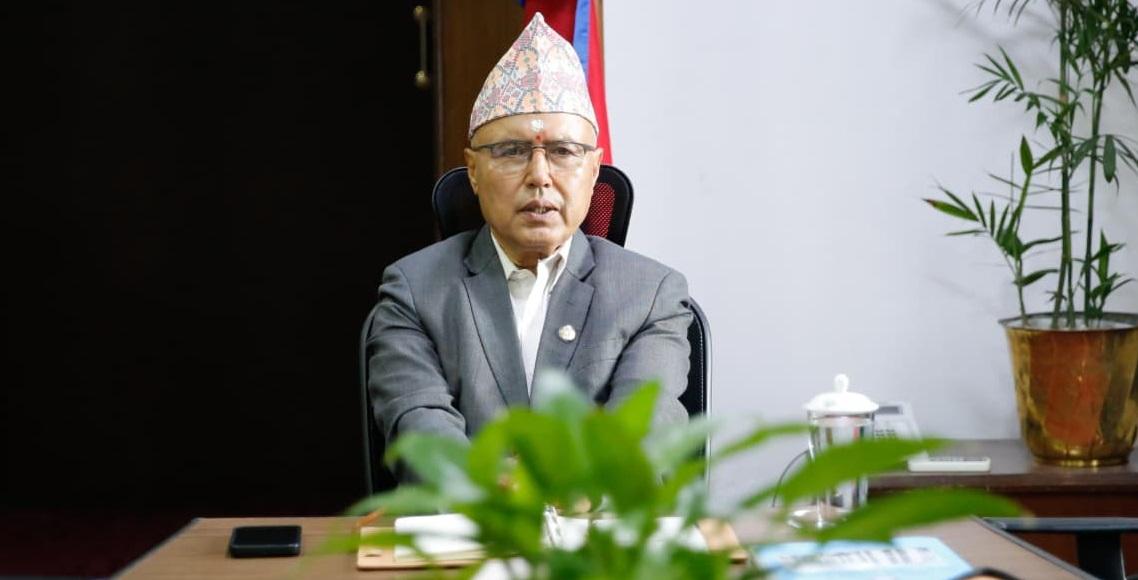
KATHMANDU: Nepal-India Chamber of Commerce & Industry (NICCI) appraised Finance Minister Rameshwor Khanal about the impact of General Sales Tax (GST) review by Indian government and its impact on Nepal’s manufacturing industry, the possibility of help by the Indian companies in Nepal in the reconstruction, without any reason halt of the Initial Public Offerings (IPO) by the Securities Board of Nepal (SEBON), and few of the long-standing issues regarding the foreign direct investment (FDI).
During the courtesy call today at the office of the Finance Minister at Singhadurbar led by Officiating President Kunal Kayal, NICCI also expressed the concern on the impact of the recently changed GST in India, and asked the minister to take steps to save the domestic manufacturing industries.
India’s 56th GST Council has approved broad rate changes effective from September 22. This re-bases India MRPs across several Fast-Moving Consumer Goods (FMCG) lines. Due to the change in the GST in India, it will result into widening price arbitrage (raising grey-channel risk) and improved affordability for impacted formal imports – as price ladder’s shift downwards along with India MRP revisions. “Initial workings indicate potential turnover and margin pressure, if we mirror India MRPs versus a potential price arbitrage opportunity via wholesalers if we hold Nepal pricing as-is,” a letter submitted to the Finance Minister reads.
NICCI also highlighted the inflow of illegal trade that will bleed the Nepal government as it will hurt the coffer. “Lower India MRPs + better exporter liquidity increases the incentive for retail-pack leakage into Nepal via the open border,” the letter reads, adding that expected inflow spikes in border adjacencies, with near-term cannibalization of Nepal manufactured products and adverse price perception. “Nepali industries are already disadvantaged viz-a-viz India cost model on account of added custom duties etc hence that features into pricing, however when products come through grey channel they save on customs and that benefit makes us local manufacturers extremely uncompetitive.”
Likewise, Selective formal import economics improve as India ex-factory nets fall; however, Nepal customs, VAT (which is 13 percent) and product excise remain binding. Most impacted category for example may be shampoos and Foods categories as imports become cheaper for the Nepali consumer, NICCI highlighted. “However, the local manufacturers will not see any such benefit to revise their pricing.”
Due to the change,local production could be disadvantaged, if we shadow India MRPs without equivalent tax relief, the letter submitted by NICCI reads. “Affected categories for example include soaps, toothpaste, shampoo, and food products and many others.”
It is therefore extremely important for Nepal government to take steps to protect local manufacturing and thus protect local jobs as smaller businesses could otherwise succumb to the adverse economics and might not be able to withstand such adverse economics.
NICCI has also suggested three-pronged approach to counter the change and protect the domestic manufacturing industry. “Making raw material imports cheaper (the same benefit could be passed on to consumers through pricing benefits) and/or provide production linked benefits to domestic manufacturers; increasing FG import customs to improve the incentive curve for local manufacturing; and curbing parallel flow of goods through routine and random raids in stores in bordering towns and the industry players can also help identify such outlets where such contraband products are flowing from India without any customs earning for the Nepal government, and seize India MRP stocks where outlets do not have VAT bills from a designated and registered importer.
Addressing the NICCI delegation, Finance Minister Khanal said that the major task of the incumbent government is to hold a free and fair election, and help in reconstruction. “The companies can help government by donating to the fund established by the government,” he said, adding that the long-standing issues raised by the NICCI needs new laws, which the incumbent government has no mandate. “However, I will try to facilitate the issues.”
The IPO issues will be solved by the SEBON soon, he said, adding, “The GST issue will also be looked upon.”
The NICCI delegation has the representatives from both Nepali and Indian companies including Berger Nepal, Unilever Nepal, National Insurance Company Ltd, Goldstar Shoes, hydropower projects, and many more.
भारतकोजीएसटीपुनरावलोकनकोनेपालमाप्रभावबारेअर्थमन्त्रीलाईअवगतगराउँदैनिक्कीलेदियोयस्तोसुझाव
काठमाडौंःनेपाल–भारतउद्योगवाणिज्यसंघ (निक्की)लेअर्थमन्त्रीरामेश्वरखनाललाईभारतसरकारद्वाराहालैगरिएकोसामान्यबिक्रीकर (जीएसटी) पुनरावलोकनकाप्रभावहरू, त्यसकोनेपालकाउत्पादनउद्योगमापर्नेअसर, भारतीयकम्पनीहरूलेनेपालमापुनर्निर्माणमासहयोगगर्नसक्नेसम्भावना, नेपालधितोपत्रबोर्डलेकारणनबताईस्थगितगरेकाप्रारम्भिकसार्वजनिकप्रस्ताव (आइपीओ) रवैदेशिकलगानीसम्बन्धीकेहीदीर्घकालीनसमस्याहरूकाबारेमाजानकारीगराएकोछ।
कार्यवाहकअध्यक्षकुनालकयालकोनेतृत्वमासिंहदरबारस्थितअर्थमन्त्रीकोकार्यालयमाभएकोशिष्टाचारभेटमा, निक्कीलेभारतमाहालैपरिवर्तनगरिएकोजीएसटीकोअसरबारेचिन्ताव्यक्तगर्दैघरेलुउद्योगहरूजोगाउनआवश्यककदमचाल्नअर्थमन्त्रीलाईआग्रहगरेकोछ।
भारतको५६औँजीएसटीपरिषद्लेगतसेप्टेम्बर२२देखिलागूहुनेगरीदरहरुकोसंशोधनस्वीकृतगरेकोछ।यसअभि४प्रकारकादररहेकोमाअब२प्रकारकादरप्रयोगमाल्याउँदैभारतसरकारलेगरेकोपरिवर्तनलेभारतकाविभिन्नउपभोक्तावस्तुहरूकाखुद्रामूल्यहरूमापुनःआधारतयगरेकोछ।भारतमाजीएसटीदरपरिवर्तनलेनेपालमामूल्यअन्तरबढाउने, अनौपचारिकव्यापारकोजोखिमबढाउनेरआयातितवस्तुहरूअझसुलभबनाउनेअनुमानगरिएकोछ। “भारतकाखुद्रामूल्यहरूनेपालमाप्रतिबिम्बितगर्दावामूल्यअन्तरकायमरहँदा, खुद्रास्तरमाबजारदबाबरकारोबारघट्नेसम्भावनादेखिन्छ,” निक्कीलेअर्थमन्त्रीलाईबुझाइएकोपत्रमाउल्लेखछ।
निक्कीलेअवैधव्यापारबढ्नेरत्यसलेनेपालसरकारकोराजस्वमाप्रत्यक्षअसरपार्नेजोखिमबारेपनिचेतावनीदिएकोछ। “भारतकोसस्तोखुद्रामूल्यरनिर्यातकर्ताकोबढीतरलतालेखुलासिमानाबाटखुद्राप्याकेजहरूनेपालभित्रनेक्रमबढ्छ,” पत्रमाभनिएकोछ, “यसलेसिमानाक्षेत्रमाअवैधआयातबढाउने, नेपालमाबनेकाउत्पादनहरूकोबिक्रीघटाउनेरमूल्यसम्बन्धीगलतधारणासिर्जनागर्नेछ।”
“नेपालीउद्योगहरूपहिलेनैभारतकातुलनामाउच्चलागतरभन्सारशुल्ककाकारणप्रतिस्पर्धामाकमजोरछन्।तरजबसामानहरू ‘ग्रेच्यानल’ मार्फतआउँछन्, तिनीहरूलेभन्सारशुल्कतिर्दैनन्, जसलेगर्दानेपालकास्थानीयउत्पादकहरूलाईअझैप्रतिस्पर्धीबन्नगारोहुन्छ।”
त्यस्तै, भारतमाकारखानामूल्यघटेकालेकेहीवस्तुहरूकोऔपचारिकआयातअझआकर्षकबनेकोछ।तरनेपालमाभन्सार, मूल्यअभिवृद्धिकररउत्पादनमहसुलजस्ताकरहरूयथावत्छन्।निक्कीकाअनुसार, यसलेविशेषगरीस्याम्पुरखाद्यवस्तुहरूजस्तावस्तुहरूमाप्रत्यक्षअसरपार्नेछ, जसलेगर्दाउपभोक्ताकालागिभारतबाटआयातसस्तोहुनेछ, तरस्थानीयउत्पादकहरूलाईमूल्यघटाउनेकुनैअवसरहुदैन।
पत्रमाभनिएकोछ, “यदिनेपाललेसमानकरछुटनदिईभारतकामूल्यहरूअनुसरणगर्योभने, स्थानीयउत्पादनउद्योगहरूथपकमजोरबन्नेछन्।साबुन, टूथपेस्ट, स्याम्पु, खाद्यवस्तुहरूलगायतकाधेरैश्रेणीहरूप्रभावितहुनेछन्।”
यसकारण, सरकारलेस्थानीयउत्पादनररोजगारीजोगाउनतुरुन्तकदमचाल्नुअत्यावश्यकरहेकोनिक्कीलेजोडदिएकोछ।
यसकासाथैनिक्कीलेतीनबुँदेउपायपनिसुझाएकोछः
१. कच्चापदार्थकोआयातसस्तोबनाउने (उत्पादनलागतघटाएरउपभोक्तासम्ममूल्यलाभपुर्याउनसकिने),
२. तयारवस्तुआयातमाभन्सारबढाउने (स्थानीयउत्पादनलाईप्रोत्साहनदिन), र
३. सिमाक्षेत्रकापसलहरूमानियमितअनुगमनरछापामारकारबाहीगरीभन्सारनतिरीभारतबाटआउनेसामानरोक्ने, साथैभ्याटबिलनभएकाभारतीयखुद्रामूल्यकासामानहरूनियन्त्रणगर्ने।
भेटकाक्रममाअर्थमन्त्रीखनाललेभने, “हालकोसरकारकोप्रमुखजिम्मेवारीनिष्पक्षरस्वतन्त्रनिर्वाचनसम्पन्नगर्नुरपुनर्निर्माणमासहयोगगर्नुहो।कम्पनीहरूलेसरकारद्वारास्थापनगरिएकोकोषमासहयोगगर्नसक्छन्,” भन्दैउनलेनिक्कलिेउठाएकादीर्घकालीनमुद्दाहरूकालागिनयाँकानुनआवश्यकपर्नेबताए। “तरमयीविषयहरूमासहजीकरणगर्नप्रयासगर्नेछु,” उनलेभने।
निक्कीकोप्रतिनिधिमण्डलमाबर्जरनेपाल, युनिलिभरनेपाल, नेशनलइन्स्योरेन्सकम्पनीलिमिटेड, गोल्डस्टारसुज, जलविद्युत्परियोजनाहरूरअन्यउद्योगकाप्रतिनिधिहरूलगायतनेपालरभारतकाविभिन्नकम्पनीहरूकाप्रतिनिधिहरूसहभागीथिए।